
Cross-border trade between Canada and the United States represents one of the largest bilateral trading relationships in the world. For eCommerce brands, tapping into both markets is a massive growth opportunity — but it comes with a unique set of logistics challenges that can trip up even experienced sellers.
This guide covers everything you need to know to ship confidently across the border, from customs documentation to duty optimization and carrier selection.

Understanding Customs and Duties
Every shipment crossing the Canada-US border goes through customs clearance. The process involves classifying your products with the correct Harmonized System (HS) codes, declaring accurate values, and paying any applicable duties and taxes.
Getting HS codes wrong is one of the most common — and costly — mistakes in cross-border shipping. Incorrect classification can result in overpaying duties, shipment delays at the border, or even seizure of goods. Invest the time to properly classify your entire product catalog, and consider working with a licensed customs broker for complex products.
De Minimis Thresholds: What Changed in 2026
The de minimis threshold determines the value below which shipments can enter a country duty-free. The United States recently eliminated the de minimis exemption for many product categories, fundamentally changing the economics of low-value cross-border shipments.
For Canadian brands shipping to US customers, this means duties now apply to virtually all commercial shipments. Building these costs into your pricing strategy — or absorbing them as part of your competitive offering — is now essential for maintaining healthy margins.
Choosing the Right Shipping Strategy
There are several approaches to cross-border fulfillment, each with distinct advantages. Direct shipping from Canada sends individual orders across the border as they come in. This is simple but can be slow and expensive due to per-package customs processing.
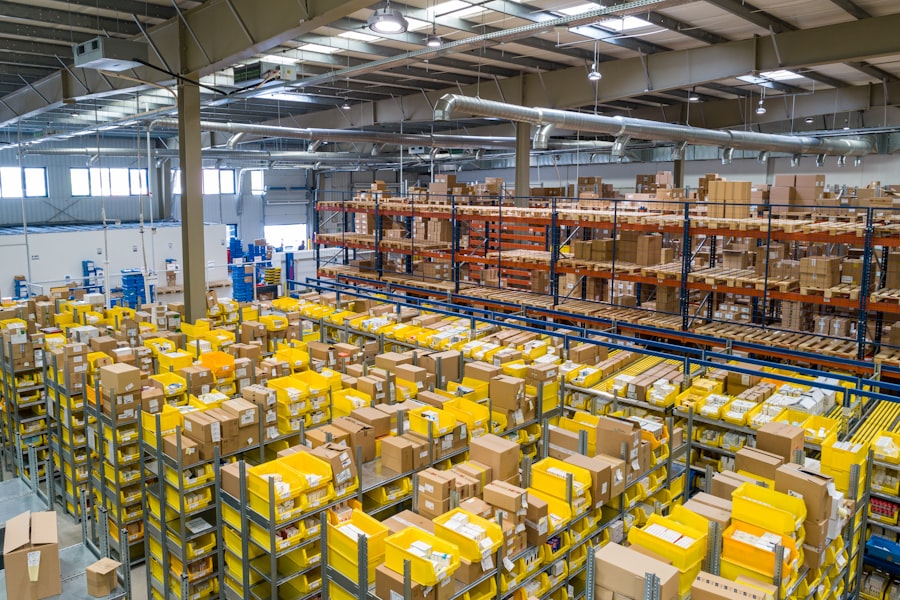
Bulk shipping to a US fulfillment center involves sending larger shipments to a warehouse in the US, then fulfilling domestic orders locally. This dramatically reduces per-order shipping costs and delivery times for US customers, though it requires holding inventory in two countries.
Section 321 programs and foreign trade zones offer additional optimization opportunities for qualified businesses, though the regulatory landscape here is evolving rapidly.
Documentation You Need
Proper documentation prevents border delays. At minimum, you need a commercial invoice with accurate product descriptions and values, a packing list, the correct HS tariff classifications, proof of origin if claiming preferential tariff treatment under CUSMA (the Canada-United States-Mexico Agreement), and any product-specific permits or certifications.
Keep meticulous records. Customs agencies on both sides of the border can audit shipments retroactively, and incomplete documentation creates significant liability.
Carrier Selection for Cross-Border
Not all carriers handle cross-border shipping equally well. Some specialize in it and offer integrated customs brokerage, while others treat it as an afterthought. Look for carriers with dedicated cross-border lanes, in-house brokerage capabilities, and clear, predictable pricing that includes duties and taxes.
Consider using a Delivered Duty Paid (DDP) shipping model where your customers pay one price with no surprise charges at delivery. This creates a much better customer experience than Delivered at Place (DAP) models where customers get hit with unexpected duty bills.

Building a Cross-Border Strategy That Scales
The most successful cross-border brands think of their Canada-US operations as an integrated system rather than two separate businesses. Unified inventory management, coordinated marketing, and consistent customer experience across both markets drive growth more effectively than treating each country in isolation.
PremoShip specializes in helping Canadian brands expand into the US market with streamlined cross-border fulfillment solutions. From customs compliance to strategic inventory positioning, we handle the complexity so you can focus on growth. Let us help you go cross-border with confidence.